

Tamil Weddings: Rituals and Traditions
Discover Tamil wedding rituals and traditions, from Kanyadaanam to the grand feast. A complete guide to the culture, attire, and celebrations
Lumoria
9/3/20256 min read
Indian weddings are beloved for their splendor, vibrancy, and cultural diversity. From the lively baraats of North India to the serene temple rites of the South, each region has its own distinctive customs. A wedding is much more than two individuals joining together- it involves families, customs, and centuries-old traditions that have been passed down through generations.
Over time however some traditions and ceremonies have faded, either lost or forgotten but even today, we continue to perform several rituals in our weddings, honoring the ones that have been preserved for generations. As Indians, we should be proud of our rich and diverse cultural heritage.
In my first Tamil wedding that I remember I was enthralled by the fusion of festivity and spirituality. Every element, from the joyous feast on banana leaves to the bride's exquisite Kanjeevaram saree(my personal favourite), the spiritual chants surrounding the fire, everything told a story. The colors, the music, and the rituals all had a profoundly significant and enduring impact.
In this post, I'm gonna walk you through the customs, attire, cuisine, and the way tradition meets today's celebrations.
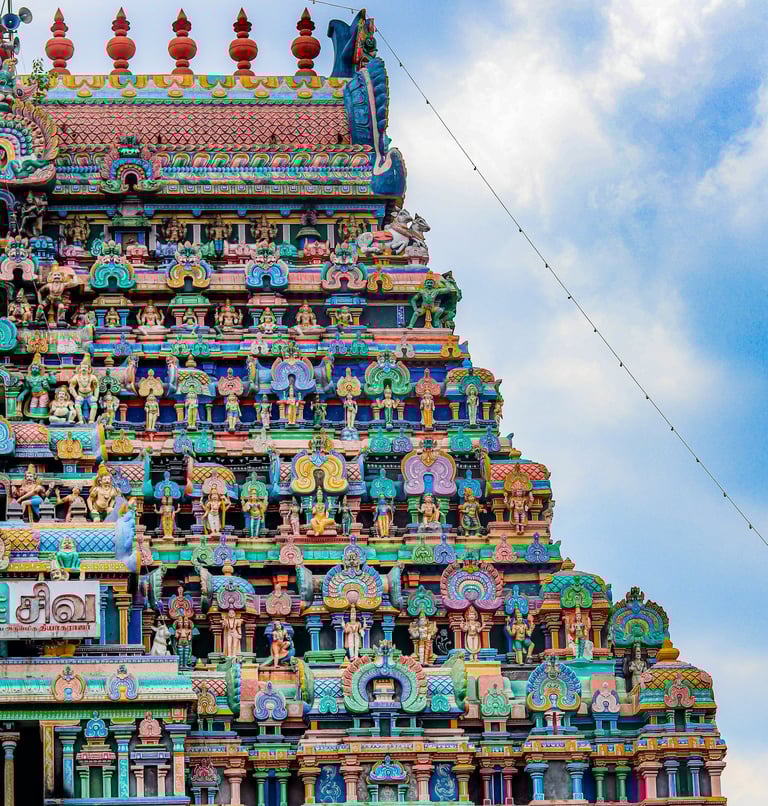
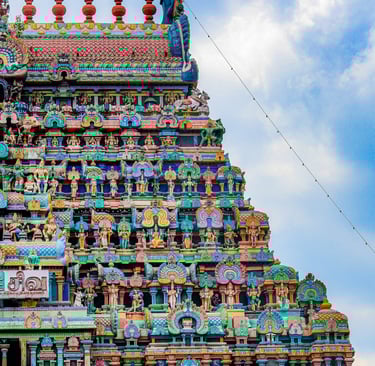
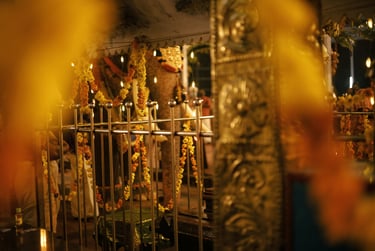
Though Tamil weddings follow similar rituals some do vary by caste. While the Iyer and Iyengar weddings, for example, incorporate rites such as Kashi Yatra and Oonjal, Chettiar, Mudaliar, or Naidu weddings may adhere to distinct sequences or traditions These variances demonstrate how diverse the Tamil culture really is.
Nischayathartham / Engagement-A formal ceremony where both families agree to the marriage, fix the date and exchange gifts, marking the start of wedding preparations.
Personally one of my favourite pre-rituals as you get to witness the couple's true beginning of their life-long commitment. We get to see or participate in the further wedding preparations


Other pre-wedding rituals
Panda Kaal Muhurtham: A sacred bamboo stick is planted during a puja to seek blessings for a smooth wedding — simple yet so meaningful. It is done to seek blessings for a smooth and happy wedding.
Sumangali Prarthanai: Married women come together, have a feast and pray for the bride’s happy and prosperous married life.
Kashi Yatra: The groom playfully pretends to renounce marriage for a holy life, only to be convinced by the bride’s father — it’s one of the most fun rituals to watch (Note- This ceremony can either be done as a pre-wedding ritual or on the day of the wedding ceremony)
Oonjal (Swing Ceremony): The couple sits on a beautifully decorated swing while elders bless them with rice balls and lively music is played and sung — a joyful moment filled with laughter and love.
MAIN WEDDING DAY
Kanyadanam- This ritual always touches my heart because it’s the moment the bride’s parents lovingly place their daughter’s hand in the groom’s, entrusting her future to him. It feels both emotional and beautiful, symbolizing not just a union of two people but also the blessings of two families
Mangalya Dharanam: The groom ties the thaali (mangalsutra) around the bride’s neck — it’s the most awaited and sacred part of the wedding.
Sapthapadi (Seven Steps): The couple takes seven symbolic steps around the fire, each step representing a vow — I love how this beautifully expresses partnership for life.
Kanya Agni Pravesham(Grihapravesham): The bride steps into the sacred fire altar beside the groom — it feels powerful, as she becomes part of his sacred duties.
Nalangu: A playful post-wedding game where the couple applies turmeric and plays lightheartedly — I enjoy this because it brings laughter and eases the formal atmosphere.


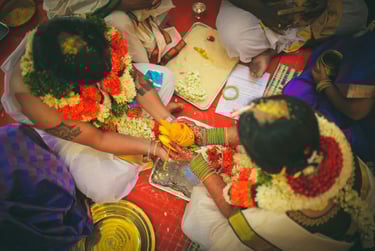
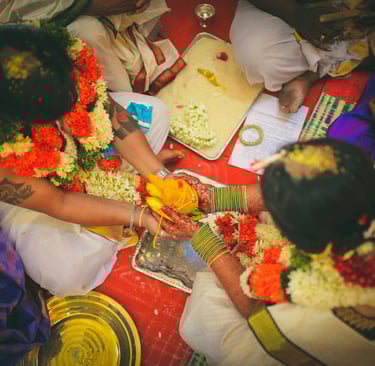
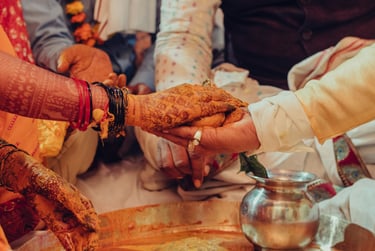
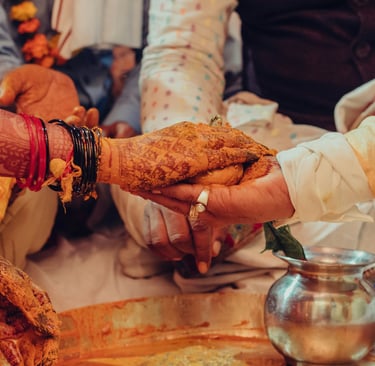
That was all about the customs and rituals. Let's now dive into some other topics such as the attires and cuisine
Bride’s Attire & Jewellery:
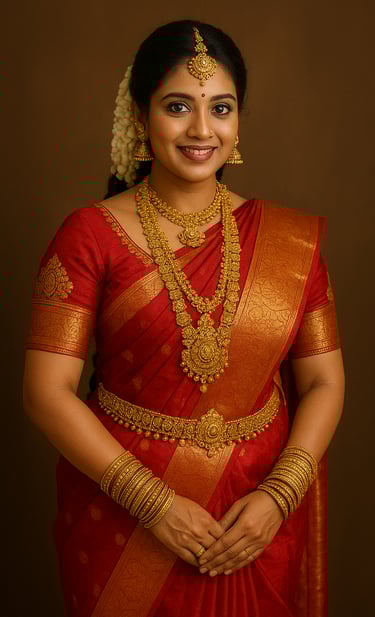
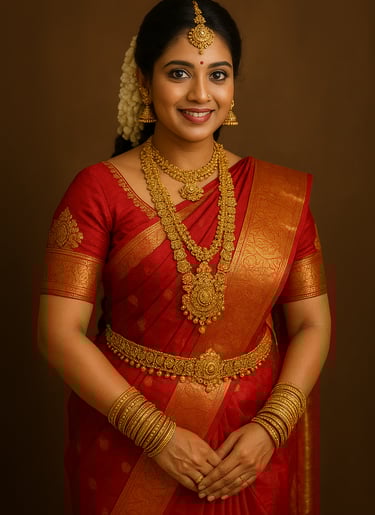
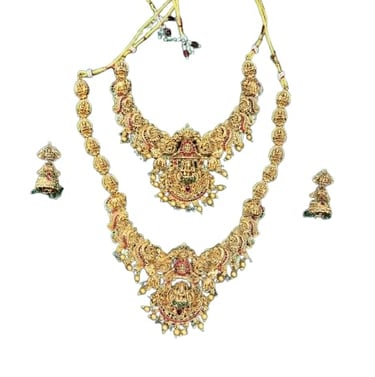
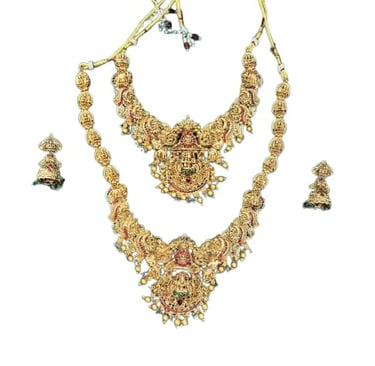
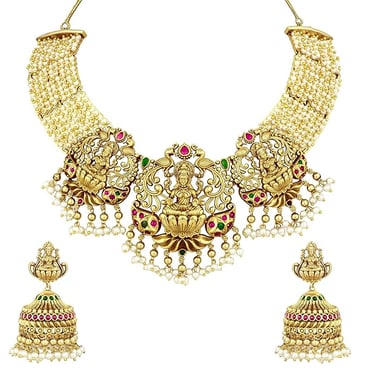
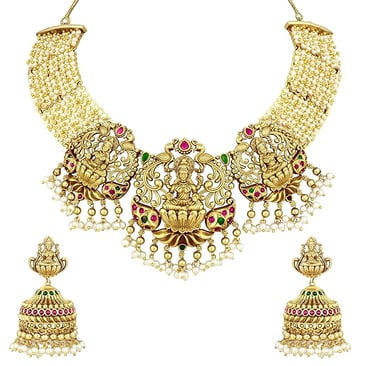
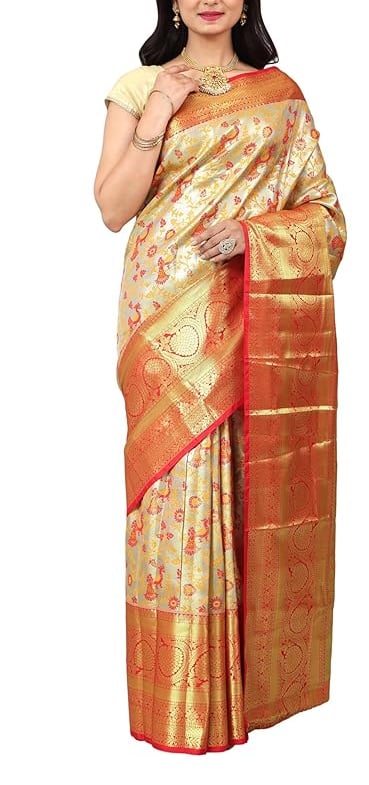
The Tamil bride usually looks radiant in a richly woven Kanchipuram silk saree, often in bright hues like red, maroon, or gold, symbolizing prosperity and happiness. She is adorned with layers of gold jewellery, from traditional oddiyanam (waist belt), vanki (armlets), and jhumkas (earrings) to long temple-style necklaces and the sacred thaali. Flowers, especially fresh jasmine, beautifully decorate her braid, completing her regal look.
Groom’s Attire & Jewellery:
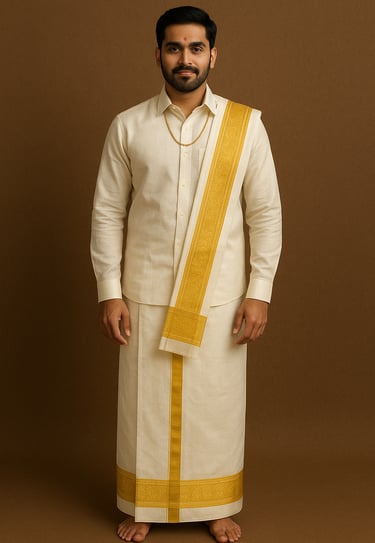
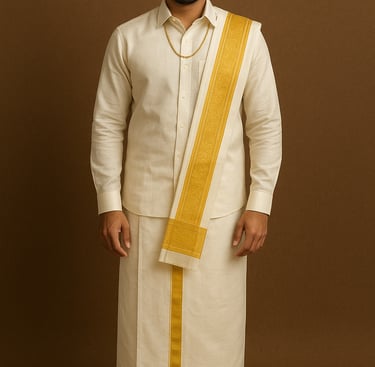
The groom traditionally wears a veshti (dhoti) and angavastram in silk, often white or cream with a zari border, reflecting simplicity and elegance. For the rituals, he may also wear a silk kurta or sherwani. His jewellery is minimal compared to the bride, usually a gold chain, rings, and sometimes a simple forehead ornament, highlighting his role with dignity and grace.
CUISINE
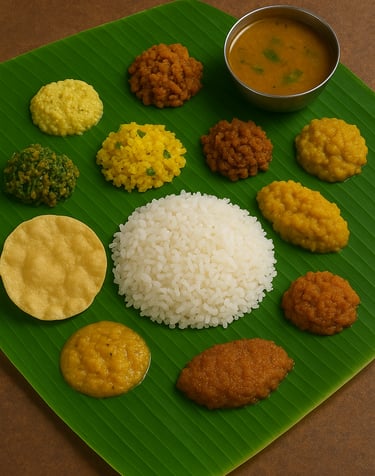
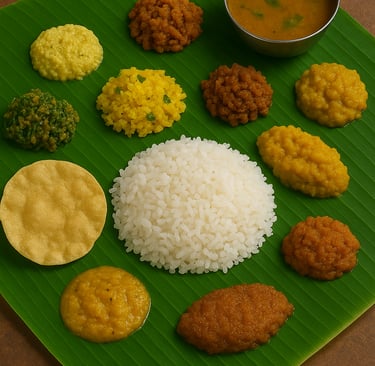
One of my favorite parts of any Tamil wedding is the food. Traditionally served on a banana leaf, the meal is usually purely vegetarian to maintain auspiciousness and purity. From sambar, rasam, and avial to crunchy vadai and appalam, every dish has its place. And of course, no celebration ends without a sweet serving of payasam. Eating together in long rows turns the feast into a beautiful community experience.
Music & Dance
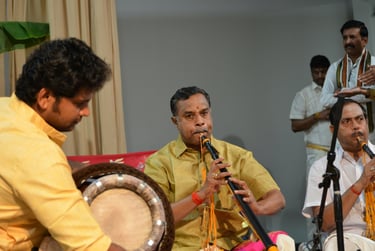
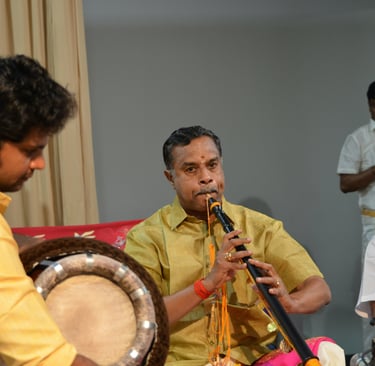
No Tamil wedding feels complete without the soulful sound of the nadaswaram and the rhythmic beats of the thavil. These traditional instruments set an auspicious tone and are believed to bring prosperity and joy. The atmosphere is further enriched by Carnatic music, which adds a classical touch to the rituals. In some weddings, dance performances or modern music blend in, but the traditional melodies always remain at the heart of the celebration.
Symbolism & Values
Tamil weddings go beyond rituals—they are rooted in family, blessings, and dharma. Every custom carries meaning, whether it’s invoking prosperity, wishing for fertility, or strengthening the bond of unity between the couple and their families. These values are what give the celebration its timeless essence.
Modern Twists
While traditions remain at the heart, many Tamil weddings today embrace a modern flair. From destination weddings and designer sarees to themed décor, couples are finding creative ways to personalize their big day. Even music is evolving—classical nadaswaram and Carnatic songs often share the stage with DJs, fusion beats, and choreographed sangeet nights, creating a perfect blend of heritage and contemporary charm
Conclusion
Tamil weddings are more than just two people uniting — they are a beautiful blend of family, tradition, and culture. From sacred chants to vibrant attire, soulful music to the grand vegetarian feast, every detail reflects the richness of Tamil heritage. While modern touches may blend in, the heart of the rituals remains unchanged — reminding us of who we are and where we come from. To me, attending a Tamil wedding feels like stepping into a living tradition, one that continues to inspire pride, joy, and togetherness.
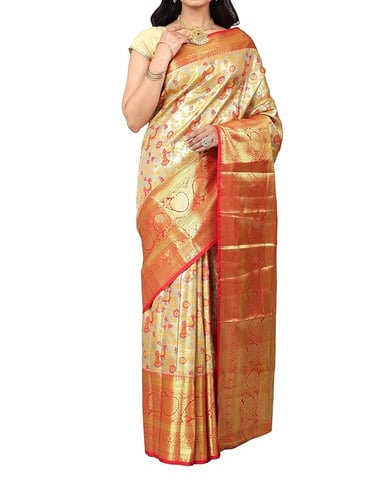
I have here included some products from Amazon. Feel free to check them out. These pieces can be worn as the bride, relatives and guests
Halo
A guide to living with depth and direction
© 2025. All rights reserved.